

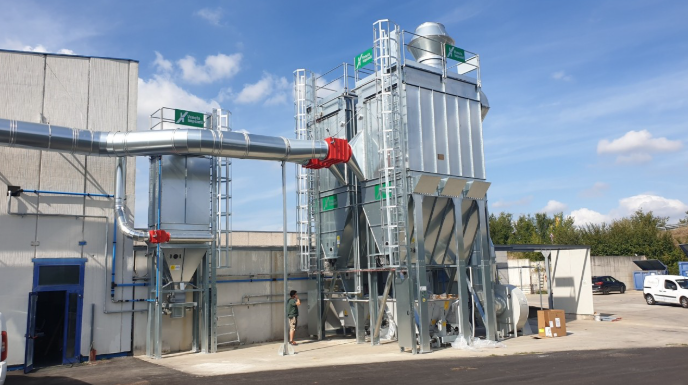
In the industrial landscape of 2026, energy efficiency is no longer just an ethical or “green” choice, but a vital necessity to remain competitive. Yet in many workshops and carpentries, the extraction system is still one of the heaviest and least‑optimized cost items on the energy bill.
The reason? Many systems still operate at fixed power. In this article, we will explore how integrating an inverter can turn a cost center into a competitive advantage.
The paradox of the fixed‑speed fan
Imagine driving your car while keeping the engine constantly at 5,000 rpm — whether you're speeding down the highway or standing still at a traffic light. It sounds absurd, doesn’t it?
Questo è esattamente ciò che accade in un impianto di aspirazione tradizionale senza inverter. Il ventilatore gira alla massima velocità per garantire la portata necessaria a tutte le macchine collegate, anche se in quel momento ne stai usando solo una. L’energia in eccesso viene semplicemente sprecata, generando calore, rumore e usura inutile.
Cos’è l’inverter e come rivoluziona l’aspirazione
L’inverter (o variatore di frequenza) è un dispositivo elettronico che modula la velocità di rotazione del motore elettrico.
In un sistema Veneta Impianti evoluto, l’inverter lavora in sinergia con dei sensori di pressione posizionati lungo le tubazioni.
- When you open a damper on a woodworking machine, the pressure changes.
- Il sensore invia un segnale all’inverter.
- L’inverter accelera il ventilatore solo quanto basta per garantire l’aspirazione corretta.
- When you close the machine, the system slows down instantly.
Il risultato? Consumi solo l’energia che serve realmente in quel preciso istante.
I 4 vantaggi imbattibili dell’inverter
1. Energy Savings (up to 40% and beyond)
The relationship between fan speed and absorbed power is cubic. This means that even a small reduction in speed results in a huge drop in energy consumption. Reducing speed by 20% can lead to energy savings of almost 50%.
2. Riduzione dell’inquinamento acustico
Un ventilatore che gira a regimi ridotti è decisamente più silenzioso. Questo migliora il comfort ambientale per i tuoi operatori e facilita il rispetto delle norme sulle emissioni sonore.
3. Reduced mechanical wear
Evitando i continui picchi di avvio “diretto” (che stressano il motore e le cinghie), l’inverter garantisce avviamenti dolci (soft-start). Questo allunga la vita utile di tutto l’impianto e riduce i costi di manutenzione straordinaria.
4. Longer filter lifespan
Un flusso d’aria costante e ottimizzato evita picchi di pressione eccessiva sul tessuto filtrante, migliorando l’efficienza della pulizia pneumatica e ritardando la sostituzione delle maniche o delle cartucce.
Caso Pratico: Il ritorno sull’investimento (ROI)
Let’s take a medium‑sized carpentry workshop with a 15 kW fan operating 8 hours a day.
- Without Inverter: Constant consumption of 15 kWh.
- With Inverter: Estimated average consumption (calculated on machine simultaneity) of 9 kWh.
With current energy costs, an investment in upgrading the system with an inverter can pay for itself within a period between 12 and 18 months. Everything that comes after is pure profit for the company.
Il futuro dell’aspirazione è intelligente
In Veneta Impianti, non ci limitiamo a fornire macchine: progettiamo soluzioni per l’efficienza produttiva. Un impianto moderno deve essere in grado di adattarsi alle tue reali esigenze di lavoro, secondo dopo secondo.
Is your system optimized or is it wasting resources? Our technicians are available for a consumption analysis and to assess the integration of energy‑saving systems on your production line.